
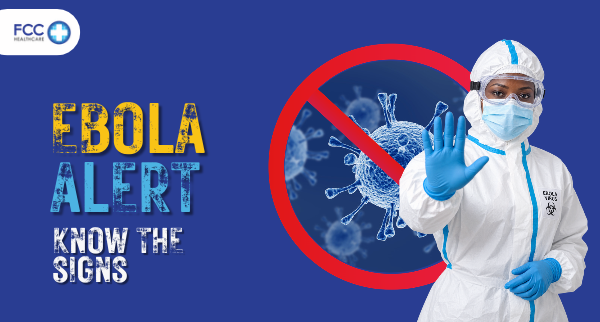
Nigeria has one confirmed case of Ebola. If you remember only one thing, remember this: stay calm, wash your hands often, and call 6232 (free, 24 hours) if you feel sick after travelling or after being near someone very ill.
What happened
On 20 October 2026, a 42-year-old woman who returned from Uganda on 3 October was confirmed to have Ebola in Abuja. She is in isolation, kept apart from others while doctors care for her. Health workers are watching 53 people who were near her, mostly health staff, plus some family and household staff. As of 25 October, nobody else has tested positive.
The virus is the Bundibugyo type, part of a larger outbreak in the Democratic Republic of Congo. There is no approved vaccine or special medicine for it yet, but fluids and care for the symptoms help, and the earlier a sick person gets them, the better. Nigeria stopped Ebola in 2014, and acting early is how we can do it again. Be careful, not frightened.
How Ebola spreads, and how it does not
You can only catch Ebola by touching the body fluids of someone who is already sick with it: blood, vomit, saliva, sweat, urine, stool, or breast milk. The virus gets in through the eyes, nose, mouth, or a cut. Family members who care for the sick, and health workers, are at highest risk.
It does not spread through the air, from someone who has no symptoms, through mosquitoes, or from shaking hands, riding a danfo, or sitting in church or the market with people who look well. Hot salt water and herbal mixtures do not prevent or cure it. People being monitored, and survivors, have done nothing wrong, so please do not shame them.
Know the signs
Signs appear 2 to 21 days after contact with a sick person: sudden fever, deep tiredness, body pain, headache, and sore throat, then vomiting, running stomach, and sometimes bleeding. Bleeding comes late, so do not wait for it.
The early signs look just like malaria, typhoid, and Lassa fever. Not every fever is malaria. If you have these signs and you travelled recently or were near someone very sick, do not guess. Call 6232.
Stay safe
- Wash your hands with soap and clean water for about 20 seconds, often.
- Stay away from anyone with fever, vomiting, diarrhoea, or bleeding, and never touch their fluids.
- Do not touch or wash the body of someone who died from a suspected Ebola illness. Call 6232.
- Avoid bushmeat, such as bats and monkeys.
- Check any WhatsApp message with the NCDC before you forward it.
If you feel unwell
- Stay where you are and keep away from others. Do not take public transport.
- Call 6232 (or your State Ministry of Health hotline). For the latest official updates, follow @NCDCgov or visit ncdc.gov.ng.
- Tell them where you have been in the last 21 days and who you were near. They will arrange safe transport.
Going to a chemist or hospital on your own can put others at risk.
For our heart, blood pressure, and diabetes patients
Do not let fear stop your care. Keep taking your medicines and keep your appointments. If you have a fever or have been near someone with Ebola signs, call 6232 and tell us before you come. Chest pain, trouble breathing, or fainting is an emergency: go to the nearest hospital at once.
One last word
The situation is serious but under watch. Clean hands, an early call to 6232, and facts instead of rumours will protect us all.
